The history of consumer culture in America takes on a whole new dimension after spending a few years as a product liability attorney. Locations such as the infamous Action Park in New Jersey (immortalized in the documentary Class Action Park) and products like the 1920s x-ray fluoroscopes that department stores used in the past to ensure proper shoe fitting would already turn the heads of members of the general public, but for an attorney, these cases take on new dimensions.
Our consumer culture is no stranger to fads and snake oil salesmen or filing lawsuits when said snake oil turns out to be made from chemicals that have highly adverse effects on the human body. One of the most horrifying stories in this mold is that of the radium girls.
Radium itself is a radioactive chemical element discovered in 1898 by the renowned Pierre and Marie Curie. The element had quickly found a use in the medical field for the treatment of cancer when it was discovered that beneficial medical effects were observed when treating tumors with radium.
A “radium fad” overtook the United States in this era, with the Chicago Daily Tribune announcing that “There are men who affirm that … in fact, this yellow atom, so insignificant in appearance, eventually will prove one of the greatest boons to ailing mankind that ever was discovered.” Obviously, if this material were potent enough to cure cancer, then surely it was a “miracle drug”.
Part of the craze involved mixing radium salt with zinc sulfide. The radiation would cause the zinc sulfide to give off a luminescent yellow glow. This reaction, which must’ve made the compound seem as though it had just stepped off the pages of a sci-fi novel, meant that Radium soon found its way into everything from chocolate to medical equipment and, even more disturbingly into drinking water.
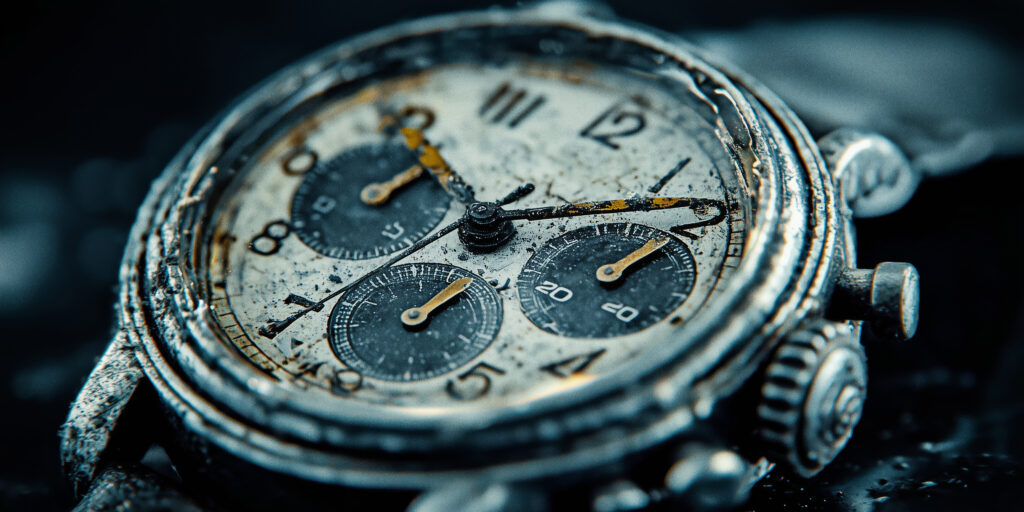
In 1913, the Radium Luminous Materials Corporation (RLMC) created a radium paint that was used to decorate the hands and numerals of clock faces so that they could glow in the dark. They employed a number of young women, with generous wages for the time to paint the radium directly onto the dials, utilizing narrow camel hair brushes. In order to make the tips as fine as possible, the girls would often lick the brush tip, ingesting additional radium in the process.
Predictably, health problems amongst these “radium girls” began to arise. Toothaches, hair loss, mouth sores, horrifying jaw bones began to decay, and soon deaths related to the radiation poisoning began to occur. As the symptoms mounted, victims banded together and filed suit in the New Jersey District Court. Faced with the mounting negative publicity, RLMC, now re-branded as USRC, settled out of court.
It’s a sobering story, and one that different individuals will doubtless take different messages from. It speaks to the dangers of trends and fads as well as the importance of proper work safety protocols. For product liability attorneys, however, it is perhaps another sobering reminder that promises of safety from a manufacturer are no guarantee and that all such promises deserve to be scrutinized.