Olympus Scopes
Understanding the Olympus Scope Legal Battle
The Olympus scope lawsuit is a significant legal battle. It involves serious allegations against a major medical device manufacturer. Olympus Corporation, known for its endoscopes, faces claims of negligence.
Patients claim they have suffered due to contaminated scopes. These devices allegedly led to severe infections. The legal case highlights critical issues in medical device safety.
Reports of infections linked to Olympus scopes emerged in the early 2010s. This prompted regulatory scrutiny and legal actions. The FDA issued warnings and updates addressing duodenoscope-associated infection risk and reprocessing concerns.
Olympus has faced numerous lawsuits from affected patients. These lawsuits allege product liability and failure to warn.
The legal battle has broader implications for healthcare practices. It underscores the need for transparency and accountability. Patient safety remains a paramount concern.
This article delves into the complexities of the Olympus scope lawsuit. It aims to provide a comprehensive understanding of the case.
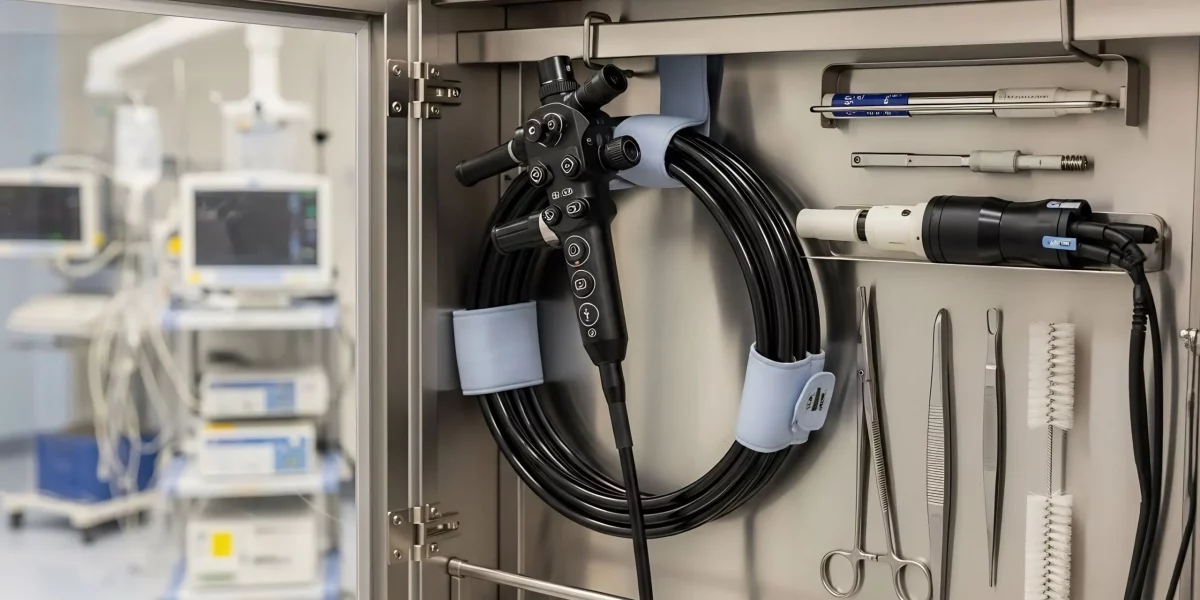
What Are Olympus Scopes? An Overview of the Devices and Their Uses
Olympus scopes are crucial tools in modern medicine. These devices aid in diagnosing various internal conditions. Known for their precision, they serve a vital role in healthcare.
Primarily, Olympus manufactures endoscopes and duodenoscopes. These devices allow doctors to view inside a patient’s body. They are essential for non-invasive diagnostic procedures.
Endoscopes generally provide visual access to internal organs. In particular, they are used for procedures like gastroscopies and colonoscopies. They help identify issues in the digestive tract.
Duodenoscopes, a specialized type of endoscope, are used differently. They access the pancreas and bile ducts. These areas are hard to reach but critical for certain diagnoses, and they have been the focus of federal safety communications related to infection risk and reprocessing challenges.
Olympus scopes have a variety of medical applications:
- Gastrointestinal examinations
- Pancreatic and bile duct procedures
- Diagnostic and therapeutic endoscopy
Their importance in healthcare cannot be overstated. They provide critical insights for diagnosing health conditions. Yet, their complexity requires meticulous maintenance.
Proper cleaning and disinfection are vital for safety. The intricate design of these devices poses challenges. Failure to adequately clean them has serious implications, as discussed in both regulatory communications and peer-reviewed literature regarding endoscope-related infection transmission risk.
Timeline of the Olympus Scope Lawsuit: Key Events and Developments
The Olympus scope lawsuit involves a series of significant events. These developments have unfolded over several years. Understanding the timeline helps contextualize this complex legal case.
In the early 2010s, reports of infections started to emerge. Patients experienced severe outcomes after endoscopic procedures. Suspicion quickly turned toward the scopes used.
By 2013, links between contaminated Olympus duodenoscopes and infections became more apparent. Hospitals began to report cases of antibiotic-resistant infections. The medical community grew alarmed.
In response, the FDA took action in 2015. They issued communications regarding potential infection risks and emphasized reprocessing considerations for duodenoscopes.
Despite these measures, infections persisted. This led to multiple lawsuits filed against Olympus. Plaintiffs sought accountability and compensation for damages.
The lawsuits accused Olympus of negligence. Claims centered on a lack of adequate warnings about infection risks. Families affected by infections pursued justice.
Key developments in the Olympus scope lawsuit include:
- 2010s: Initial reports of infections linked to duodenoscopes
- Growing awareness and hospital reports
- FDA safety communications and ongoing updates on duodenoscope-associated infection risk
- Ongoing: Continued litigation with potential for future implications
As of now, the legal proceedings continue. They have drawn significant media attention and public interest. This timeline highlights the complex nature of the lawsuit
The Allegations: Contamination, Infections, and Patient Harm
The allegations against Olympus involve serious contamination risks. Accusations claim their medical scopes caused severe infections. Patients and families have brought these issues to court.
At the center of these claims is the design of the duodenoscopes. Critics argue they are difficult to clean properly. This inadequacy allegedly leads to bacteria building up.
Infections reported are often antibiotic-resistant. This makes treatment challenging and dangerous, particularly when infections involve organisms such as carbapenem-resistant Enterobacterales (CRE).
Families involved in the lawsuit have shared devastating stories. Many patients endured long hospital stays. Some even face lifelong health complications. The human cost is immense.
Allegations also highlight a failure to warn hospitals adequately. Olympus is accused of knowing about contamination risks but neglecting to act. This lack of transparency is a critical issue in the lawsuits.
The allegations against Olympus include:
- Contaminated duodenoscopes leading to infections
- Difficult-to-clean design contributing to bacteria spread
- Inadequate warning to healthcare providers about risks
- Severe health consequences for affected patients
- Negligence in responding to known contamination issues
Each of these elements is significant. Together, they form the basis of numerous legal claims.
The impact on public trust and patient safety is profound.
These allegations have set the stage for broader discussions about medical device safety. They underscore the importance of rigorous product testing. Such measures are crucial for preventing similar incidents in the future.
Regulatory Response: FDA Actions and Industry Oversight
The Olympus scope lawsuit prompted significant regulatory responses. The FDA took the lead in addressing safety concerns, including ongoing safety communications and updates focused on duodenoscope-associated infection risk.
In response, the FDA also released guidance and updates. These focused on cleaning and disinfection protocols and other steps intended to reduce infection risk linked to these devices.
Regulatory actions didn’t stop there. The FDA also maintains pathways for reporting and monitoring device-related adverse events through MedWatch and databases such as MAUDE, which are part of broader post-market oversight efforts.
The regulatory scrutiny extended beyond the United States. Global health agencies also implemented similar measures. They recognized the international reach of Olympus scopes and the widespread implications for patient safety.
Industry oversight has intensified as well. Medical device manufacturers now face closer examination. This heightened vigilance seeks to ensure compliance with safety standards.
Key regulatory measures included:
- Issuance of warnings and updates by the FDA related to duodenoscope infection risk
- Ongoing emphasis on appropriate cleaning and reprocessing practices
- Adverse event reporting and monitoring (MedWatch; MAUDE)
These actions underscore the critical role of regulatory bodies. They serve as a safeguard, protecting patient health. Continued vigilance is necessary to maintain high safety standards in medical technology.
Olympus’s Response: Design Changes, Warnings, and Settlements
In response to the mounting legal pressures, Olympus implemented notable changes. The company recognized the need for action to address safety concerns.
One major step involved redesigning their devices. Olympus introduced modifications aimed at reducing the risk of contamination. These design changes were accompanied by updates in their cleaning protocols.
Additionally, Olympus issued warnings to healthcare providers. These warnings highlighted the potential risks associated with their scopes. The warnings aimed to ensure that hospitals and clinics were fully informed.
The legal challenges also led to financial settlements in certain cases. The scope and value of any settlement can vary significantly depending on the facts and claims in each matter.
Key steps taken by Olympus include:
- Redesigning scopes to enhance safety and reduce contamination risks
- Updating cleaning protocols to better prevent infections
- Issuing warnings to keep healthcare providers informed
- Resolving certain cases through settlement
Olympus’s actions illustrate a commitment to addressing past oversights. The company’s efforts indicate a move toward greater accountability and improved safety standards. Their response highlights the impact of litigation in driving meaningful changes within the medical device industry.
Legal Claims in the Olympus Scope Lawsuit: Negligence, Product Liability, and Failure to Warn
The Olympus scope lawsuit includes serious legal claims. These claims focus on negligence, product liability, and failure to warn. Each plays a critical role in the lawsuit’s framework.
Negligence allegations argue that Olympus failed in their duty of care. The plaintiffs contend that the company did not ensure their devices were safe. They assert that due diligence was lacking, leading to harmful outcomes.
Product liability is another key component. This claim asserts that Olympus manufactured defective devices. It argues that design flaws directly contributed to patient infections. Liability becomes a central issue when products fail and cause harm.
A failure to warn is frequently cited in medical device cases. Here, plaintiffs allege that Olympus did not provide adequate warnings. The warnings issued were insufficient to inform healthcare providers of risks. This failure is seen as a significant oversight.
The core legal claims in the Olympus lawsuit include:
- Negligence: Alleged lack of due care in device safety
- Product liability: Claims regarding defective device design
- Failure to warn: Insufficient communication of device risks
These claims aim to hold Olympus accountable. They reflect the serious impacts that defective medical devices can have. By pursuing these claims, plaintiffs seek to highlight industry-wide safety concerns.
The outcomes of these claims hold broader implications. They can influence future medical device litigation and safety practices. Legal actions serve not only to provide compensation but to drive systemic improvements.
Impact on Patients: Stories, Injuries, and Long-Term Consequences
The Olympus scope lawsuit revolves around profound patient impacts. Many have shared tragic stories. They illustrate severe health challenges after exposure to contaminated scopes.
Some patients contracted antibiotic-resistant infections. These infections complicated their health conditions significantly. Treatment was often prolonged, causing additional distress and hardships.
The physical harm caused was severe. Patients faced lengthy hospital stays. Recovery efforts often extended over many months, disrupting their normal lives.
Emotional and psychological tolls were considerable. Patients and families battled stress and uncertainty. The struggle with trust in medical care was palpable.
Long-term consequences of infections were varied. Some patients experienced organ damage. Others faced chronic health issues that altered their lifestyle.
The impact on patients underscores key issues in healthcare-associated infection prevention and control.
Key impacts on patients include:
- Infections: Antibiotic-resistant and chronic in nature.
- Extended recovery: Prolonged healthcare needs.
- Emotional strain: Anxiety and loss of trust in medical systems.
These personal impacts illustrate why legal proceedings are crucial. They emphasize the need for vigilance in medical device use. By holding companies accountable, there is hope for improved patient safety standards in the future.
The Role of Legal Advocacy: How Lawsuits Drive Change in Healthcare
Legal advocacy plays a crucial role in shaping healthcare. Lawsuits like the Olympus scope case highlight systemic flaws. They push for necessary reforms and improved patient protections.
Advocacy groups often rally around affected individuals. They provide support and resources.
This collective effort helps patients navigate complex legal terrain.
Lawsuits address more than individual grievances. They uncover broader issues in medical practices. This pressure instigates industry-wide changes, influencing policy and regulatory frameworks.
A vital aspect of legal advocacy is driving transparency. By bringing issues to the fore, advocates ensure public awareness. This transparency holds corporations accountable for their actions.
Key ways legal advocacy influences change:
- Policy Reform: Promotes legislative changes to enhance safety.
- Corporate Accountability: Enforces strict industry standards.
- Patient Empowerment: Educates and supports affected individuals.
Through persistent legal efforts, advocacy can lead to transformative change. It can improve not only device safety but also overall healthcare delivery. Ultimately, advocacy seeks to prioritize patient welfare and build a safer medical environment.
Evidence and Expert Testimony: Building a Strong Olympus Scope Case
In legal battles like the Olympus scope lawsuit, evidence and expert testimony are vital. They form the backbone of any substantial case. With credible support, claims gain traction in court.
Expert testimony provides crucial insight into complex scientific and technical issues. Specialists in infection control and medical device engineering often testify. Their input helps clarify the intricacies of scope contamination.
Building a strong case involves several steps:
- Gathering Evidence: Collect medical records and infection reports.
- Expert Analysis: Assess device design and cleaning protocols, including whether
reprocessing practices aligned with applicable guidance and infection-control principles. - Testimonies: Present expert opinions during trial proceedings.
Documenting factual evidence is key to substantiating claims. This may include medical records and, in some contexts, device-related adverse event reports in public databases such as MAUDE.
Experts not only clarify technical details but also contextualize them. Their testimony bridges the gap between scientific data and legal arguments. This alignment helps jurors and judges understand the full scope of the problem.
Peer-reviewed literature has also examined the risk of transmission of certain drug-resistant organisms during gastrointestinal endoscopy, providing additional context in disputes involving scope reprocessing and infection risk.
Ultimately, compelling evidence and expert perspectives enhance the lawsuit’s credibility. They ensure the claims are robust and persuasive, aiming for a just resolution.
Olympus Scope Lawsuit Settlements and Verdicts: What Has Been Achieved?
The Olympus scope lawsuit has involved claims that have been resolved in different ways, including litigation and settlement in certain matters. Outcomes vary based on facts, claims, and applicable law.
Settlements may involve compensation to affected patients. Financial restitution can help address medical costs and other damages where liability is established or disputed claims are resolved.
These cases also reinforce the importance of patient safety and effective oversight, including the role of safety communications and adverse event reporting mechanisms in identifying and addressing risks.
Ongoing Litigation and Future Implications for Medical Device Safety
The Olympus scope lawsuit is ongoing, with new developments continuing to emerge. As litigation proceeds, the focus on safety and accountability remains crucial. This legal battle presents potential long-term implications for medical device standards.
Ongoing cases involve complex evaluations of product designs and regulatory adherence. Lawsuits emphasize the importance of adhering to established safety measures and protocols. Continuous scrutiny serves as a catalyst for further industry oversight and regulation.
Key aspects of ongoing litigation include:
- Design Flaws: Examination of scope engineering for safety gaps.
- Regulatory Compliance: Assessments of adherence to FDA communications and related guidance.
- Healthcare Standards: Evaluation of hospital practices with Olympus devices, including reprocessing practices.
The implications of these litigations extend beyond the courtroom. They encourage stronger commitments to preventive measures and transparency in medical device manufacturing. Industry practices might be re-evaluated to emphasize patient safety.
The current legal proceedings highlight the dynamic relationship between policy and practice in healthcare. The outcomes could lead to significant improvements and influence future regulations. As the lawsuit progresses, it continues to underline the need for rigorous standards in the medical technology sector.
What Should Affected Patients Do? Legal Rights and Next Steps
Patients affected by Olympus scopes face serious health challenges. Knowing what steps to take next is vital for safeguarding their rights. Understanding legal options is crucial for seeking justice and compensation.
First, consulting an experienced attorney specializing in medical device litigation is essential.
They can provide guidance on legal rights and potential claims. Qualified legal counsel will help navigate complex litigation processes effectively.
Patients should also gather all medical records related to their scope procedure. Documentation of infections, hospital visits, and treatments can support their case. Keeping detailed records helps in establishing a direct link to the device.
Key steps for affected patients include:
- Contacting a lawyer: Seek advice from specialists in relevant litigation.
- Documenting symptoms: Maintain detailed health records and complications.
- Understanding rights: Learn about legal avenues to pursue compensation.
Lastly, staying informed about ongoing developments and reviewing public safety resources can help patients better understand infection risks and prevention efforts.
Frequently Asked Questions About the Olympus Scope Lawsuit
Understanding the Olympus scope lawsuit involves addressing common queries. This section answers frequently asked questions to clarify concerns about the legal proceedings and their implications.
- What is the Olympus scope lawsuit about?
The lawsuit focuses on allegations of contamination and infections linked to Olympus medical scopes. Patients claim these devices caused serious health issues. - Who are the plaintiffs?
Plaintiffs include patients and families who suffered infections after procedures involving Olympus scopes. Many seek compensation for medical expenses and damages. - What are the legal claims?
Claims include negligence, product liability, and failure to warn about risks. Plaintiffs argue Olympus did not ensure device safety adequately. - What has the FDA done?
The FDA issued safety communications and updates regarding duodenoscope infection risk and reprocessing considerations. - How can affected patients pursue legal action?
Patients should consult legal experts specializing in medical device lawsuits. An attorney can provide guidance on rights and potential claims. - Are there resources on reporting device-related issues?
Yes. The FDA provides information on adverse event reporting through MedWatch, and the MAUDE database contains certain medical device reports submitted to the agency.
Where This Leaves Patients: Key Takeaways and the Path Forward
The Olympus scope lawsuit reveals significant lessons about medical device safety. It underscores the importance of robust monitoring and transparency in device manufacturing. Learning from these cases is crucial for preventing future medical tragedies.
One major lesson is the necessity of rigorous testing and evaluation. Devices must undergo thorough checks before and after entering the market. This helps identify potential risks early and ensures patient safety.
The lawsuit also highlights the role of regulatory bodies like the FDA and the importance of post market safety communications and reporting systems in identifying and reducing risk.
Moving forward, priorities should include:
- Enhanced Communication: Foster collaboration between manufacturers and healthcare providers.
- Continuous Education: Provide ongoing training on device use and reprocessing.
- Patient Involvement: Encourage patient feedback in device evaluation processes.
For patients and families, understanding what happened is only one part of the process. If you believe an Olympus scope procedure left you with an infection or other serious complications, consider speaking with counsel that focuses on product liability litigation. The Oliver Bell Group is a trusted product liability law firm with extensive experience in cases like this, and our attorneys have served in leadership positions in multi-district litigations.
You can request a case review by visiting the Oliver Bell Group’s Free Consultation page:
https://oliverbellgroup.com/free-consultation/
This content is for informational purposes only and does not constitute legal advice. Results depend on the facts of each case.